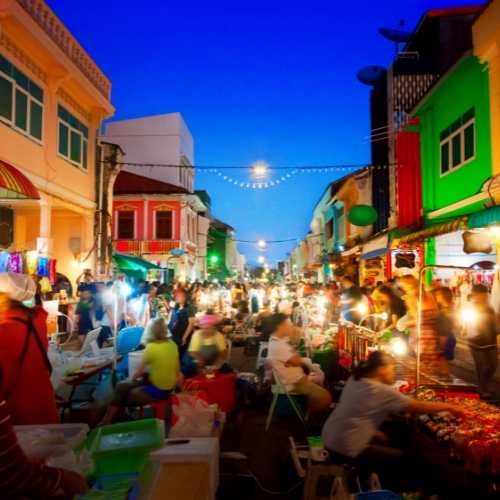
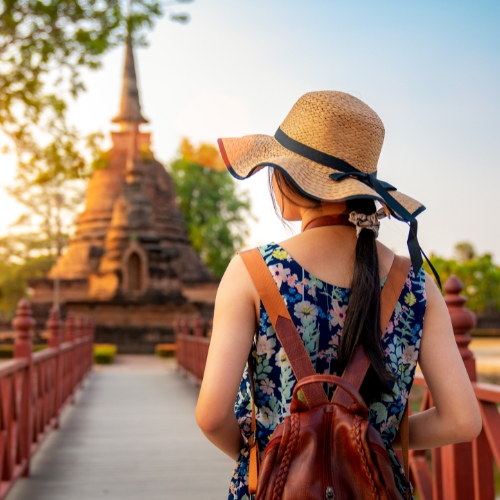
Thailand is a country rich in tradition, spirituality and warmth, where locals are renowned for their hospitality and graciousness. Known as the Land of Smiles, Thailand’s culture blends ancient Buddhist beliefs with modern energy, make it one of the most welcoming and fascinating destinations in Asia. Whether you’re exploring Bangkok’s bustling streets, temple-hopping in Chiang Mai or relaxing on a tropical island, understanding Thailand’s language and customs will make your experience even more rewarding.
Thailand Language and Culture
Can Thai people speak English?
English is widely spoken in Thailand’s tourist areas, including Bangkok, Phuket, Chiang Mai and the major islands. Hotel staff, tour guides and younger locals often speak conversational English. However, in smaller towns or rural areas, English proficiency can be limited, so learning a few basic Thai phrases is both helpful and appreciated.
How do Thai people greet each other?
Thai locals greet each other with a traditional gesture called the wai, which involves placing your palms together in front of your chest and bowing your head slightly. It’s a sign of respect, especially when meeting someone older or of higher status.
To say hello, use:
- Sawasdee ka for women.
- Sawasdee krub for men.
This greeting works for both hello and goodbye and is often accompanied by a warm smile.
What religion do Thai people follow?
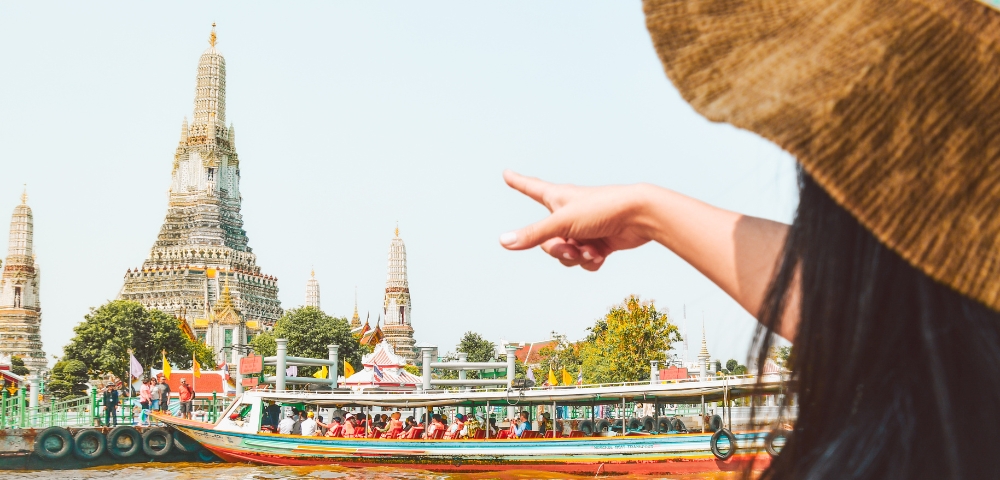
Around 95% of Thailand’s population practice Theravada Buddhism, which deeply influences the country’s art, traditions and daily life. You’ll notice monks collecting alms in the morning, stunning golden temples in every town and rituals centred on respect and mindfulness. Other religions, including Islam, Christianity and Hinduism, are also peacefully practiced throughout Thailand.
What cultural etiquette should I know?
Respect and humility are core values in Thai culture. Here are a few important etiquette tips to follow:
- Dress modestly when visiting temples. Cover your shoulders and knees and remove shoes before entering.
- Avoid touching anyone’s head, as it’s considered sacred.
- Don’t point your feet at people or religious objects, as feet are viewed as the lowest part of the body.
- Show respect to monks; women should avoid physical contact with them.
- Speak politely and stay calm. Raising your voice or showing anger is frowned upon in public.
Laws and customs that differ from Australia
Some Thai laws and customs are very different from Australia’s, and it’s important to be aware of them:
- Drugs are illegal, with strict penalties for possession or trafficking.
- The Thai monarchy is deeply revered; insulting or disrespecting the royal family is a criminal offence.
- Vaping devices and e-cigarettes are banned in Thailand.
- Always ask before photographing monks or locals, especially in rural or religious settings.
Being mindful of these differences will ensure a smooth, respectful and enjoyable visit.
Basic Thai phrases to know
- Hello – Sawasdee ka/krub
- Thank you – Khob khun ka/krub
- Yes – Chai
- No – Mai
- How much? – Tao rai?
- Delicious – Aroi mak
- Excuse me / Sorry – Khor thot
- Goodbye – La gorn
How to behave at temples
When visiting Thailand’s stunning temples (wats), follow these simple rules:
- Dress modestly (no shorts, short skirts or sleeveless tops).
- Remove your shoes before entering temple buildings.
- Keep your voice low and behave calmly.
- Never climb or sit on Buddha statues.
- Avoid public displays of affection.
- If seated near a monk, sit lower than them to show respect.
Book your Thailand holiday today
Start exploring Thailand’s intriguing culture with a blend of authentic food, opulent temples and rich history. Book the holiday of your dream with our Holiday Experts today.