Thailand is a safe and welcoming destination for Australian travellers, known for its warm hospitality, tropical beauty and excellent tourism infrastructure. Like any overseas destination, it’s smart to stay informed and take a few precautions to ensure a smooth and healthy trip.
Thailand Health and Safety
Can you drink tap water in Thailand?
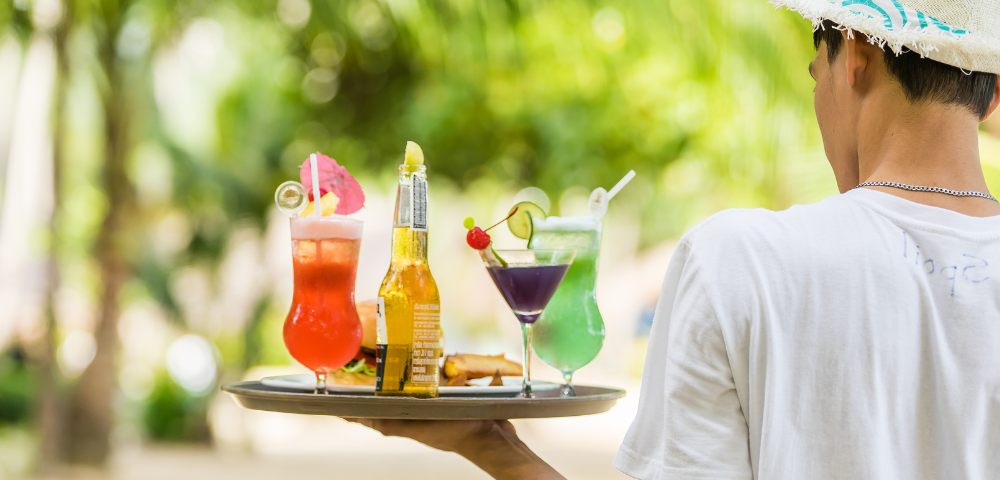
Tap water in Thailand is not considered safe to drink. Always opt for bottled or filtered water, which is widely available and inexpensive. Most hotels provide complimentary bottled water daily, and ice in reputable restaurants is generally safe since it’s made from purified water; however, it is wise to steer clear of iced drinks at food stalls.
When brushing your teeth or making tea and coffee, it’s best to use bottled or boiled water to avoid any stomach upsets.
Are there parts of Thailand to avoid?
Thailand is largely safe for tourists, especially in popular destinations like Bangkok, Phuket, Chiang Mai, Koh Samui and Krabi. However, travellers should stay alert and follow government travel advice.
- Southern border regions (near Malaysia, including Yala, Pattani and Narathiwat) have experienced occasional unrest and are not recommended for tourists.
- Political demonstrations can sometimes occur in Bangkok or other major cities, and it’s best to avoid large crowds or protests.
- As with any major city, stay aware of petty crime like bag-snatching or scams and keep valuables secure.
What vaccinations or health precautions are recommended?
Australians should ensure their routine vaccinations such as measles, mumps, rubella, diphtheria, tetanus and polio, are up to date before travelling. Additional vaccines may be recommended depending on your itinerary:
- Hepatitis A and B.
- Typhoid.
- Japanese Encephalitis for extended rural stays or wet season travel.
- Rabies, if you plan to be in close contact with animals or spend time in remote areas.
Consult your GP or a travel health clinic at least six to eight weeks before departure for personalised advice.
Are there any disease risks or hygiene concerns?
Thailand’s tropical climate means there’s a risk of mosquito-borne illnesses, particularly:
- Dengue fever is common in urban and rural areas year-round.
- Malaria is limited to remote forested regions near borders.
Use insect repellent, wear long sleeves at dusk and sleep under mosquito nets when staying in rural or jungle areas. General hygiene standards are high in most tourist destinations, but it’s always best to wash your hands frequently and carry sanitiser.
How risky is street food?
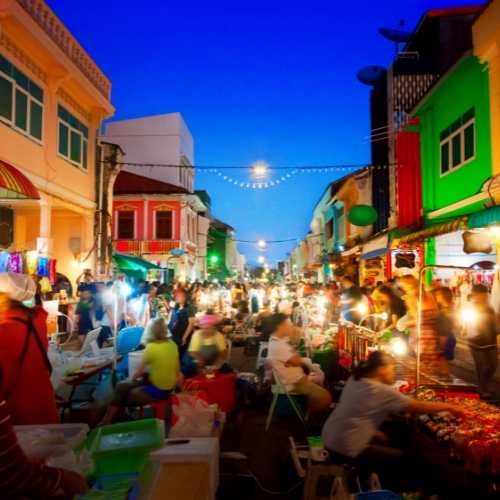
Thailand’s street food is a must-try and is generally safe when chosen wisely. Follow these simple rules:
- Eat where locals are lining up – high turnover means fresher food.
- Watch your meal being cooked to ensure it’s served hot.
- Avoid raw salads, unpeeled fruit and seafood that hasn’t been properly refrigerated.
Stick to these tips and you’ll enjoy some of the best and most authentic food in Thailand.
Is Thailand safe for Australians?
Yes, Thailand is one of the most visited countries by Australians and the majority of trips are trouble-free. Tourism is a major part of the Thai economy and safety standards in hotels, resorts and attractions are high.
Use common sense, respect local customs and keep an eye on your belongings, just the same as you would anywhere.
What travel insurance do I need for Thailand?
Comprehensive travel insurance is essential for Thailand. Make sure your policy covers:
- Medical expenses and hospital stays.
- Trip cancellations or delays.
- Lost or stolen belongings.
- Adventure activities like scuba diving, motorbiking or zip-lining, if you plan to take part.
Public healthcare in Thailand may not meet Australian standards in rural areas, and medical evacuation can be expensive, so choose a policy with overseas medical coverage.
Jump right into your Thai adventure
Don’t just daydream, start living the dream when you plan your perfect holiday escape with our Holiday Experts!